

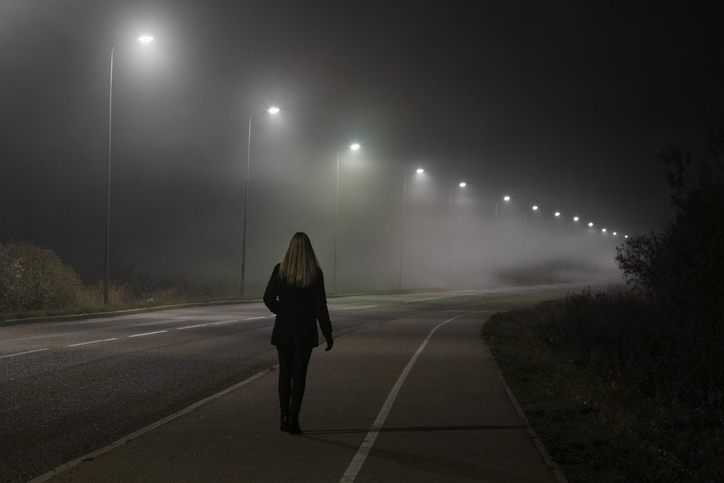
Pedestrian Accidents After Dark in New York: What You Should Know About Fault and Poor Visibility
By late October, New York evenings change fast. Commuters who walked home under daylight just a few weeks ago suddenly find themselves navigating crosswalks, bus stops, and subway entrances in full twilight or complete darkness. Across the five boroughs, Westchester, and Long Island, this sudden drop in evening daylight always brings a noticeable jump in vehicle-versus-pedestrian collisions.
When a crash happens at dusk or after sunset, drivers often try to point to poor lighting, dark clothing, or glare from oncoming headlights to excuse what happened. New York law takes a much closer look at driver responsibility. Knowing how fault works during evening commutes when there is poor visibility helps pedestrians injured from an accident understand their legal options.
Does Poor Visibility Excuse a Driver Under New York Law?
Drivers frequently tell responding police officers, “I just didn’t see them.” While low lighting presents an obvious challenge on city streets, darkness does not erase a motorist’s legal duty of care.
Under New York Vehicle and Traffic Law Section 1146, every motorist must exercise due care to avoid colliding with any pedestrian upon any roadway. When natural daylight fades, that duty requires motorists to slow down, scan intersections carefully, and adjust their driving to the conditions around them. Turning vehicles present the greatest danger. Drivers making left turns across multi-lane avenues frequently focus on oncoming traffic gaps and fail to look for people crossing with the walk signal.
Even when street lighting is sparse or glare from wet asphalt obscures the road, motorists remain responsible for keeping their vehicle under control and yielding to pedestrians in crosswalks.
Comparative Negligence and the “Dark Clothing” Argument
Insurance companies often try to blame the injured pedestrian to reduce what they have to pay. Adjusters routinely argue that because someone wore a dark winter coat or crossed mid-block, the pedestrian caused their own injuries.
New York operates under a pure comparative fault rule found in Civil Practice Law and Rules Section 1411. This statute ensures that even if an injured person shares some degree of blame for an accident, they are not automatically barred from seeking compensation. Instead, any financial recovery is simply reduced by their assigned percentage of responsibility. Wearing dark clothing on an evening stroll does not strip away your legal protections, especially when a motorist was speeding, looking at a phone, or failing to yield at a marked crossing.
Critical Evidence in Evening Pedestrian Collisions
Accidents that happen at night present unique evidentiary challenges because traffic patterns and lighting conditions change quickly after emergency crews clear the scene. Securing proof right away makes a substantial difference in establishing what took place.
Valuable pieces of evidence in evening pedestrian cases include:
- Nearby surveillance footage from bodegas, apartment building lobbies, parking garages, or city traffic cameras before it gets overwritten
- Dashcam video from rideshare vehicles, city buses, or other commuters who traveled through the intersection
- Vehicle event data recorders, which capture exact travel speed, braking patterns, and whether headlights were engaged
- Precise photographs of intersection sightlines, working street lamps, signal timing, and weather conditions at the time of impact
- Cell phone records showing whether the driver sent texts or made calls in the moments leading up to the collision
Witness accounts are equally critical. Getting contact information from bystanders on the sidewalk or fellow commuters waiting at a bus stop helps counter a driver’s version of events.
Steps to Take Following an Evening Crash
If an automobile strikes you or someone in your family after dark, protect your health and your legal rights immediately.
First, get fully evaluated by medical professionals, even if your initial pain seems manageable. Adrenaline masks serious internal trauma, concussions, and soft tissue damage that worsen overnight. Second, ensure responding NYPD or local police officers complete a formal collision report, and ask for the precinct and report number. Avoid giving recorded statements to the driver’s insurance adjuster before you have a complete picture of your medical prognosis.
Protecting Your Family After an Evening Accident with Poor Visibility
Being struck by a car disrupts your daily life, leaves you managing medical bills, and creates deep uncertainty about missed time from work. If you suffered injuries in an evening pedestrian collision in New York, getting answers about your legal rights helps you make informed choices about what comes next. Reach out to the team at Pulvers, Pulvers & Thompson to discuss your situation and learn how New York law applies to your case.